
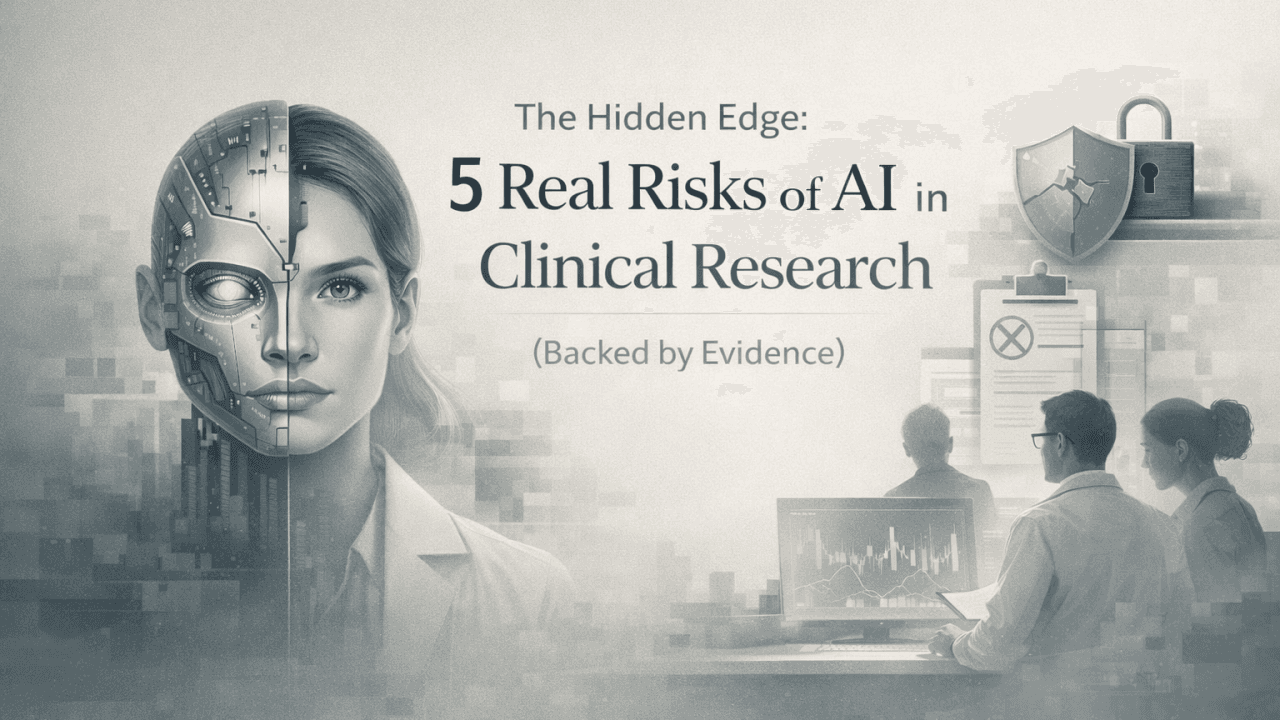
AI is embedding itself into clinical research, mostly indirectly at this stage. From patient recruitment to data cleaning, protocol optimisation to predictive analytics, the upside is clear: faster trials; better targeting and reduced cost. But when you step into the literature, a more balanced picture emerges...
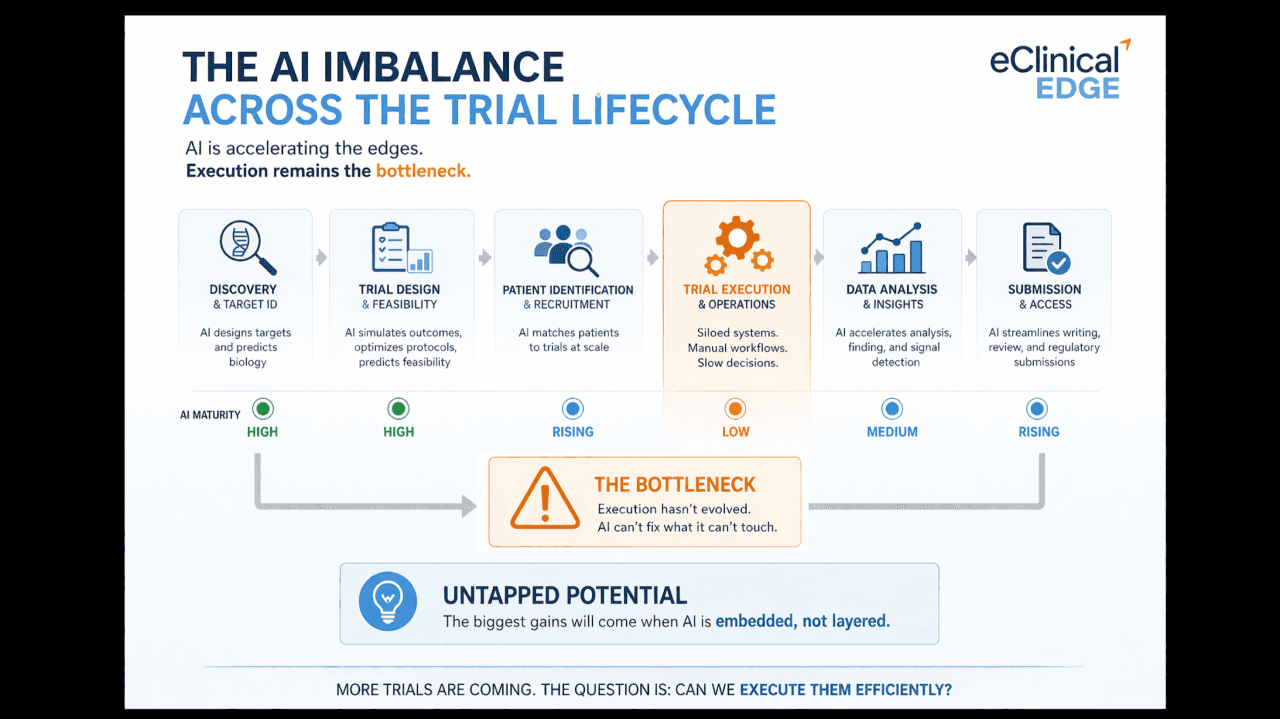
Over the past few months, I’ve noticed something change in how AI is being discussed in clinical trials. Less hype. More proof points. And importantly — more specific use cases emerging. Three recent updates caught my attention. Individually, they look incremental. Collectively, they tell a much bigger story.
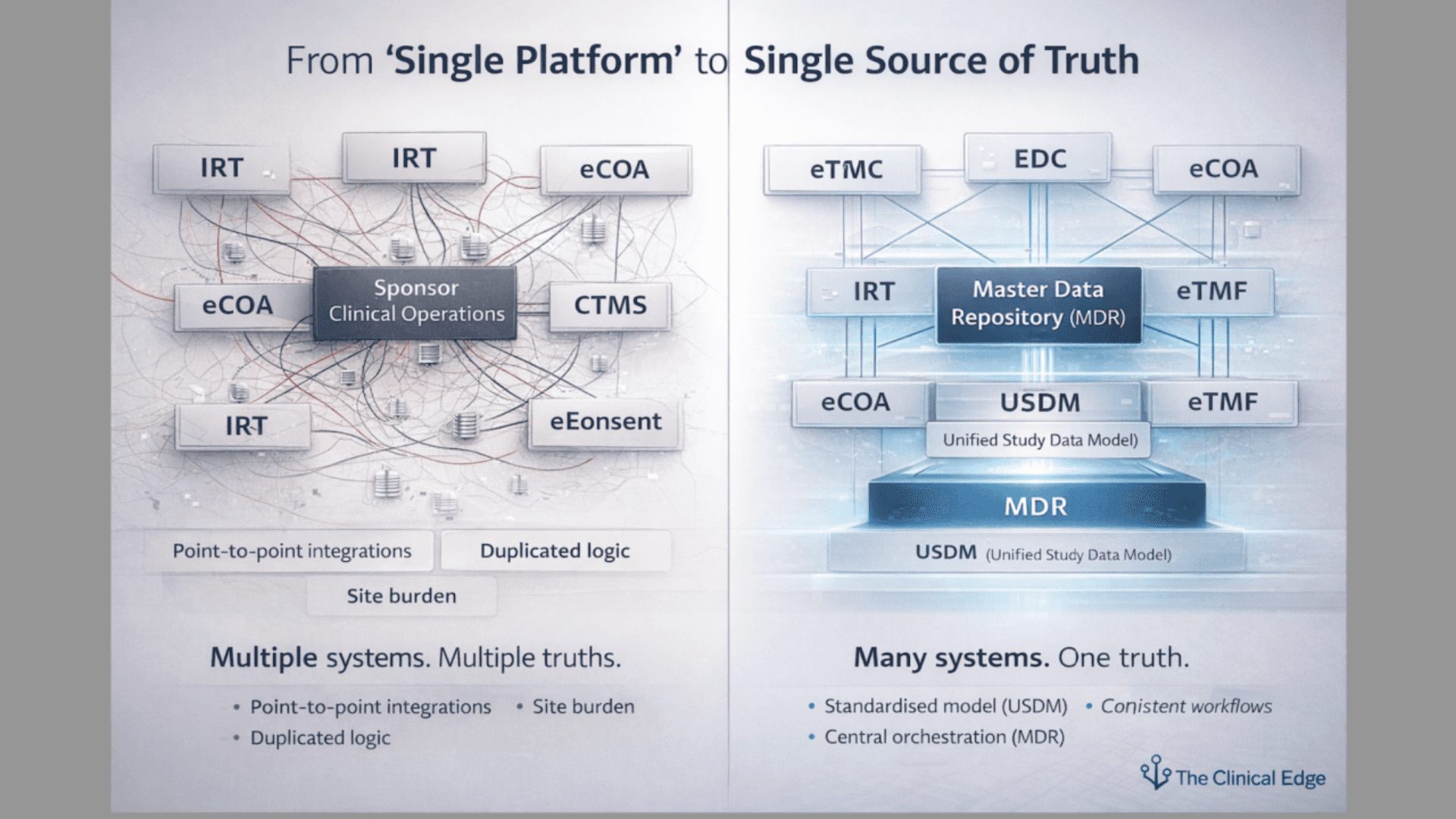
How to fix fragmentation without pretending it doesn’t exist
AI is embedding itself into clinical research, mostly indirectly at this stage. From patient recruitment to data cleaning, protocol optimisation to predictive analytics, the upside is clear: faster trials; better targeting and reduced cost. But when you step into the literature, a more balanced picture emerges...
Over the past few months, I’ve noticed something change in how AI is being discussed in clinical trials. Less hype. More proof points. And importantly — more specific use cases emerging. Three recent updates caught my attention. Individually, they look incremental. Collectively, they tell a much bigger story.
How to fix fragmentation without pretending it doesn’t exist
AI is embedding itself into clinical research, mostly indirectly at this stage. From patient recruitment to data cleaning, protocol optimisation to predictive analytics, the upside is clear: faster trials; better targeting and reduced cost. But when you step into the literature, a more balanced picture emerges...
Over the past few months, I’ve noticed something change in how AI is being discussed in clinical trials. Less hype. More proof points. And importantly — more specific use cases emerging. Three recent updates caught my attention. Individually, they look incremental. Collectively, they tell a much bigger story.
How to fix fragmentation without pretending it doesn’t exist
AI is embedding itself into clinical research, mostly indirectly at this stage. From patient recruitment to data cleaning, protocol optimisation to predictive analytics, the upside is clear: faster trials; better targeting and reduced cost. But when you step into the literature, a more balanced picture emerges...
Over the past few months, I’ve noticed something change in how AI is being discussed in clinical trials. Less hype. More proof points. And importantly — more specific use cases emerging. Three recent updates caught my attention. Individually, they look incremental. Collectively, they tell a much bigger story.
How to fix fragmentation without pretending it doesn’t exist
Today’s highlight
There’s an assumption in clinical trials that doesn’t get challenged nearly enough: If each system is good… then more systems must be better. More specialised. More powerful. More “best-of-breed”. But spend a day at a clinical trial site, and that logic starts to unravel.

There’s a quiet lie circulating in clinical trials. It’s dressed up as sophistication. It sounds like maturity. It often appears in RFPs.
There’s a quiet lie circulating in clinical trials. It’s dressed up as sophistication. It sounds like maturity. It often appears in RFPs.

Clinical trial start-up — the phase encompassing vendor onboarding, system build and configuration, site activation and training — persistently consumes time, introduces friction and contributes to costly delays in getting first patient in. For decades this has been driven by an industry-wide reliance on narrative, unstructured protocols and disconnected operational hand-offs.
Clinical trial start-up — the phase encompassing vendor onboarding, system build and configuration, site activation and training — persistently consumes time, introduces friction and contributes to costly delays in getting first patient in. For decades this has been driven by an industry-wide reliance on narrative, unstructured protocols and disconnected operational hand-offs.
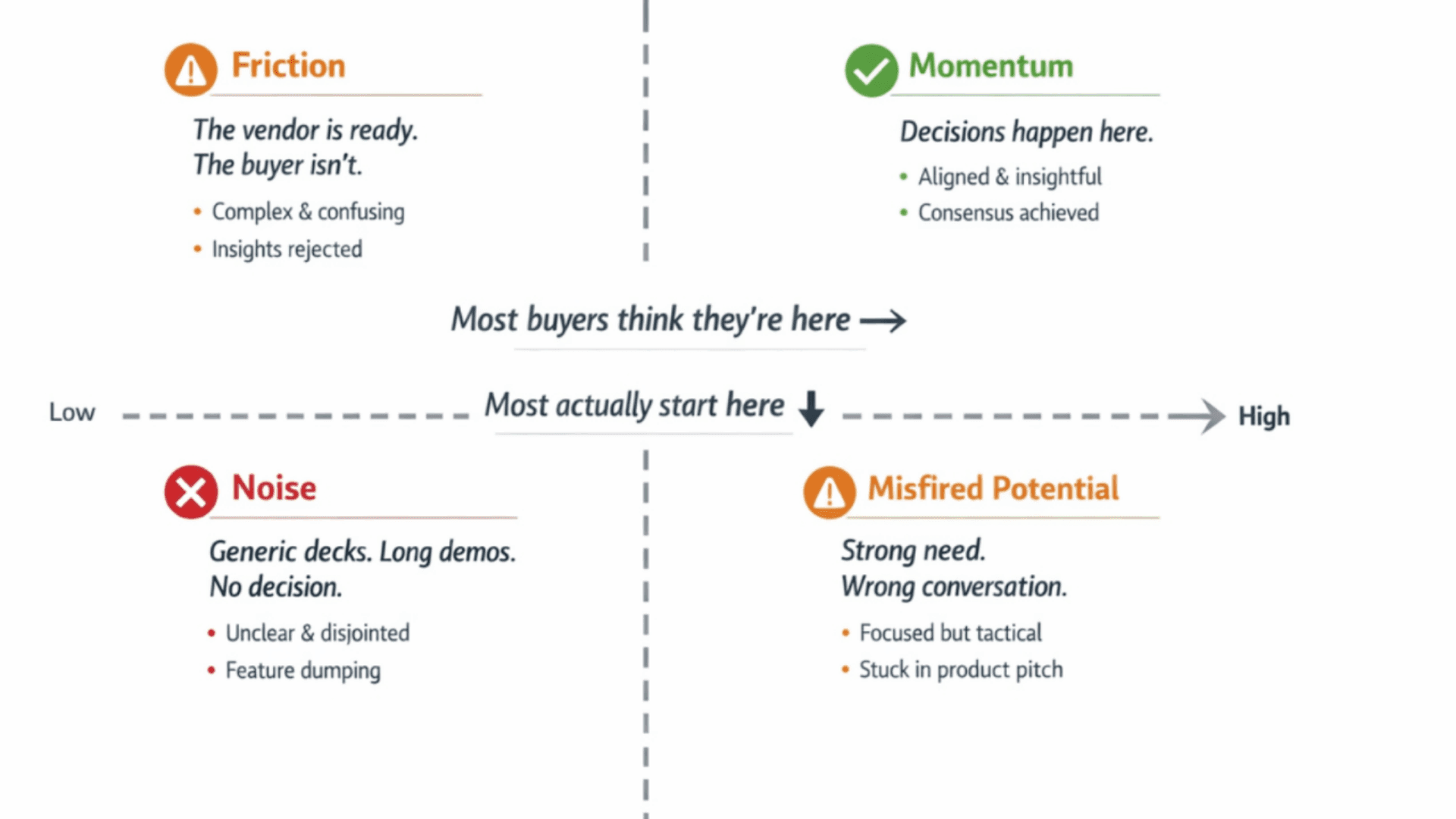
Why clinical trial technology buyers and sellers need to step up in 2026 In case you’ve been living under a rock - or buried under a pile of protocols - there’s a meme doing the rounds on LinkedIn and X that goes something like this: “I just had a deeply personal life experience… and here’s what it taught me about B2B sales.”
Why clinical trial technology buyers and sellers need to step up in 2026 In case you’ve been living under a rock - or buried under a pile of protocols - there’s a meme doing the rounds on LinkedIn and X that goes something like this: “I just had a deeply personal life experience… and here’s what it taught me about B2B sales.”
Latest posts
AI is embedding itself into clinical research, mostly indirectly at this stage. From patient recruitment to data cleaning, protocol optimisation to predictive analytics, the upside is clear: faster trials; better targeting and reduced cost. But when you step into the literature, a more balanced picture emerges...
Over the past few months, I’ve noticed something change in how AI is being discussed in clinical trials. Less hype. More proof points. And importantly — more specific use cases emerging. Three recent updates caught my attention. Individually, they look incremental. Collectively, they tell a much bigger story.
How to fix fragmentation without pretending it doesn’t exist
There’s an assumption in clinical trials that doesn’t get challenged nearly enough: If each system is good… then more systems must be better. More specialised. More powerful. More “best-of-breed”. But spend a day at a clinical trial site, and that logic starts to unravel.
There’s a quiet lie circulating in clinical trials. It’s dressed up as sophistication. It sounds like maturity. It often appears in RFPs.
Clinical trial start-up — the phase encompassing vendor onboarding, system build and configuration, site activation and training — persistently consumes time, introduces friction and contributes to costly delays in getting first patient in. For decades this has been driven by an industry-wide reliance on narrative, unstructured protocols and disconnected operational hand-offs.
AI is embedding itself into clinical research, mostly indirectly at this stage. From patient recruitment to data cleaning, protocol optimisation to predictive analytics, the upside is clear: faster trials; better targeting and reduced cost. But when you step into the literature, a more balanced picture emerges...
Over the past few months, I’ve noticed something change in how AI is being discussed in clinical trials. Less hype. More proof points. And importantly — more specific use cases emerging. Three recent updates caught my attention. Individually, they look incremental. Collectively, they tell a much bigger story.
How to fix fragmentation without pretending it doesn’t exist
There’s an assumption in clinical trials that doesn’t get challenged nearly enough: If each system is good… then more systems must be better. More specialised. More powerful. More “best-of-breed”. But spend a day at a clinical trial site, and that logic starts to unravel.